Loading…
VilonLys-GluKE peptide
A research-oriented guide to the Lys-Glu dipeptide, thymic biology, and the open question of FOXN1.
Loading molecule…
- Sequence
- Lys-Glu (KE)
- Formula
- C11H21N3O5
- Molar mass
- 275.30 g/mol
- PubChem CID
- 7010502
Thymus environment, FOXN1, and T-cell output
Vilon is best understood as a small peptide whose biological neighborhood includes thymic epithelium and immune gene regulation. FOXN1 is the clearest transcriptional node for thymic regeneration, but no direct Vilon-FOXN1 assay has been published.
01Thymus environment
Thymus environment
The thymic epithelium creates the niches where T-cell precursors are educated and selected. Vilon’s plausible neighborhood starts here.
02FOXN1 test node
FOXN1 test node
FOXN1 is the master transcription factor that defines thymic epithelial identity. The direct Vilon-to-FOXN1 experiment has not been published.
03T-cell output
T-cell output
A regenerated epithelium can restore export of naive T cells and broaden TCR diversity in the periphery.
Research portals
vilON enteric capsules
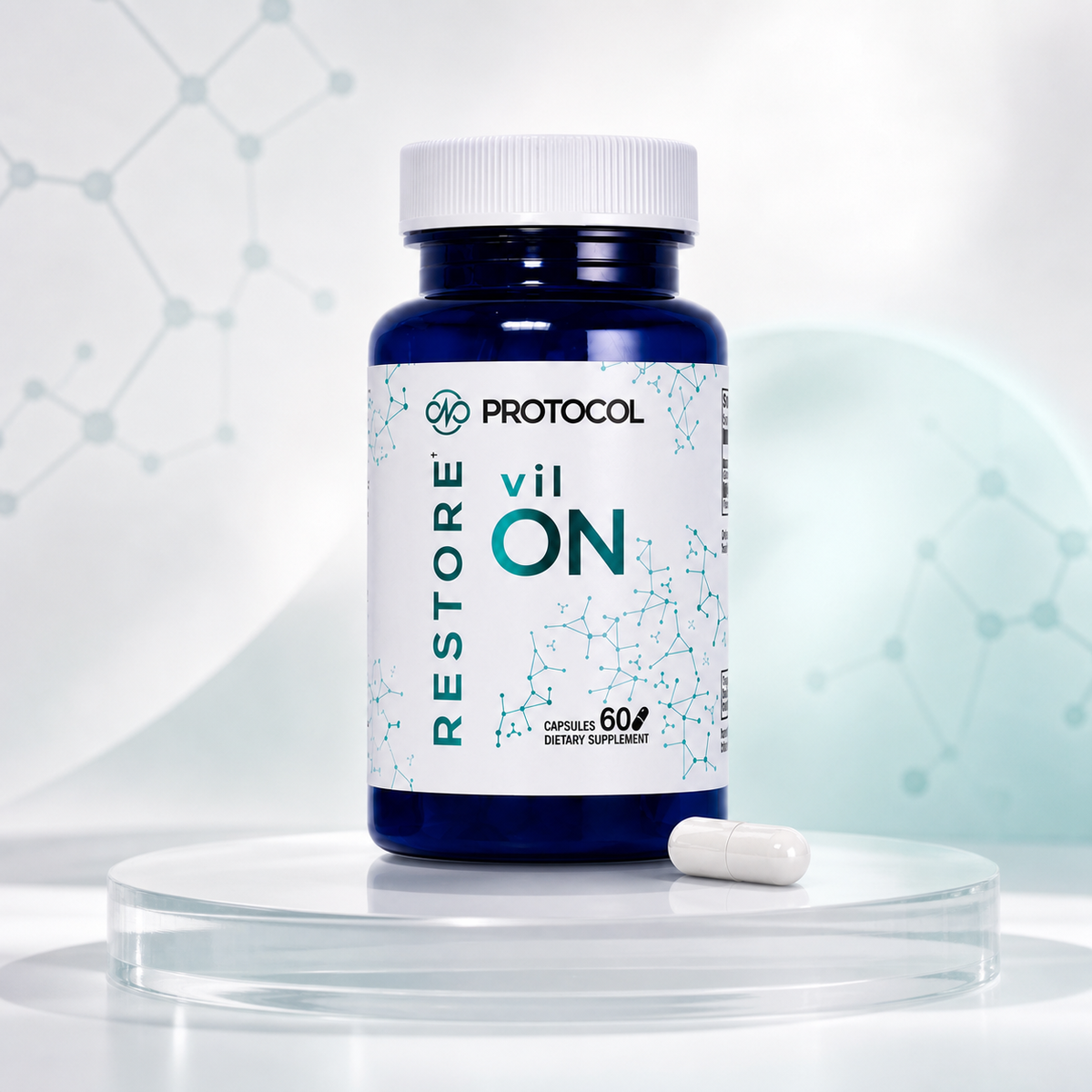
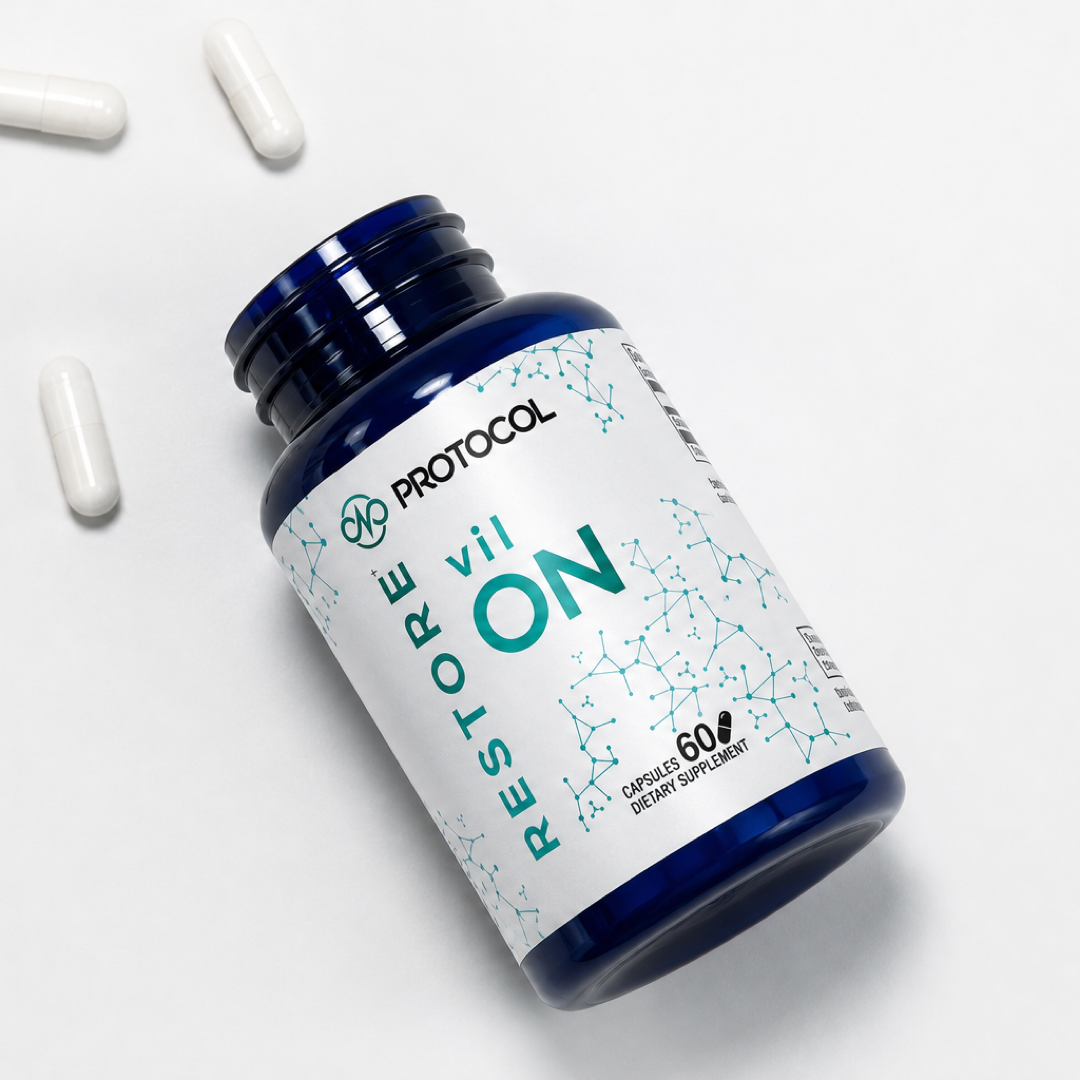
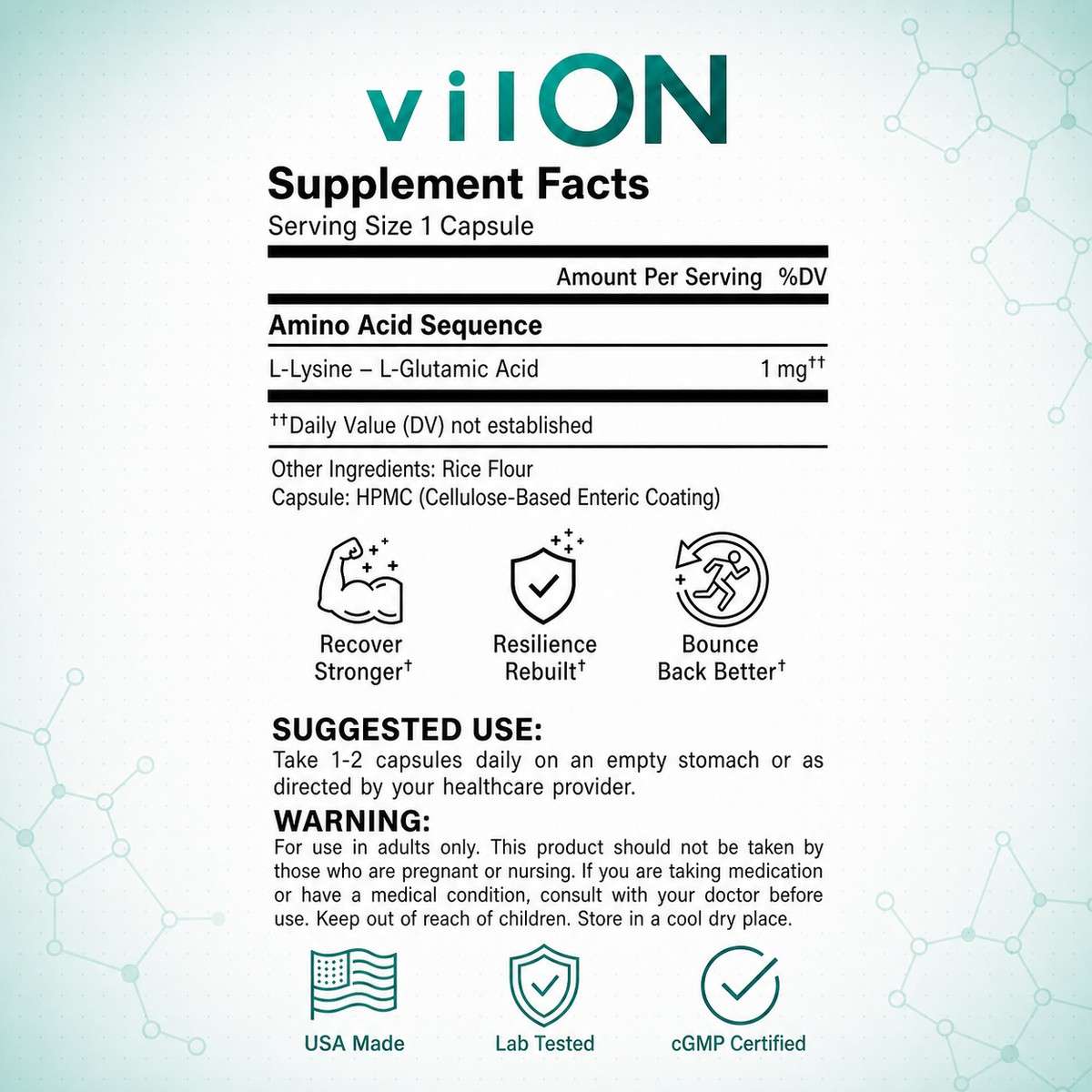
Formulation
- Name
- vilON
- Dose
- 1 mg Lys-Glu per capsule
- Form
- HPMC enteric capsules
- Count
- 60
- Excipient
- rice flour
Sourcing
- Facility
- USA cGMP facility
Testing & use
- Testing
- third-party purity and potency testing; COA available on request
- Guidance
- AM use, earlier in the day
What people are saying
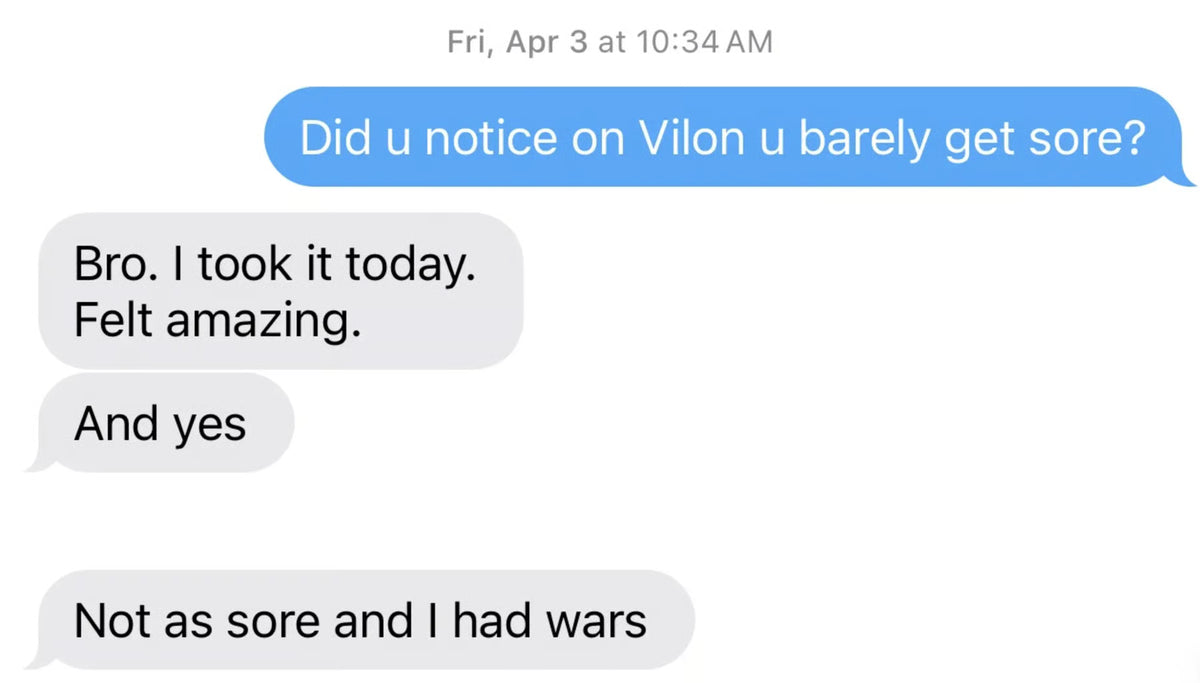
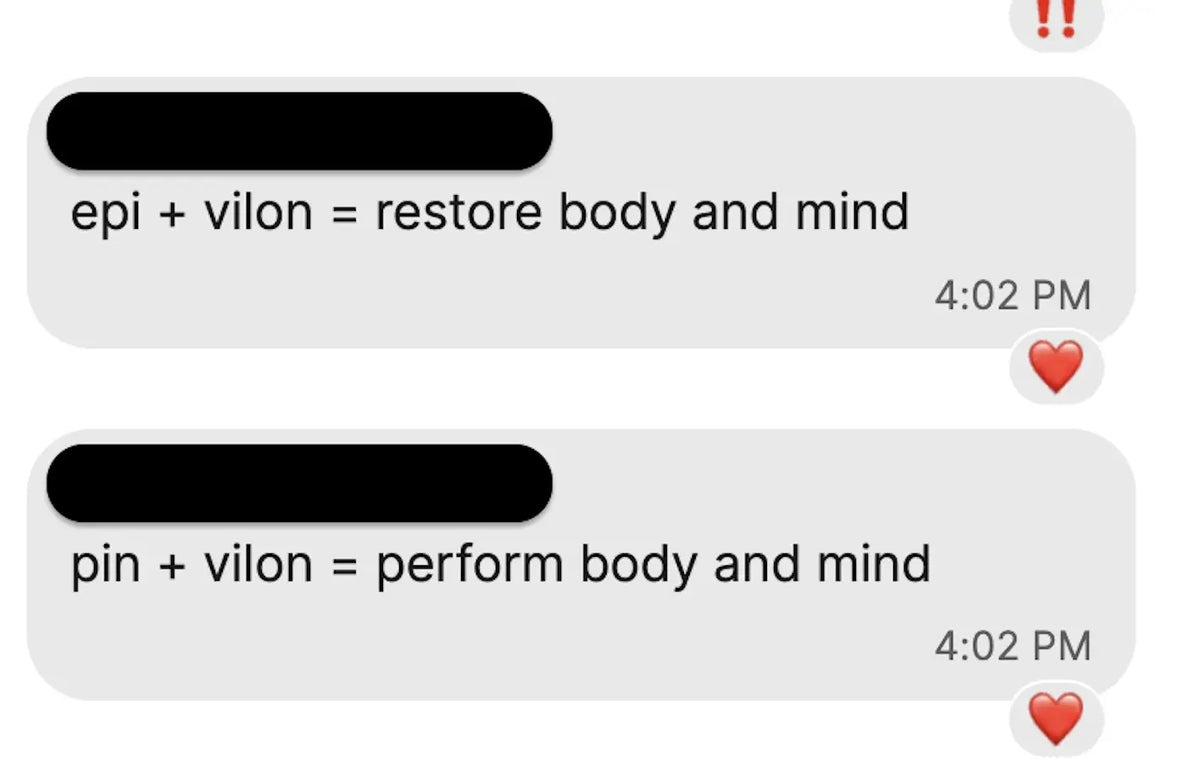
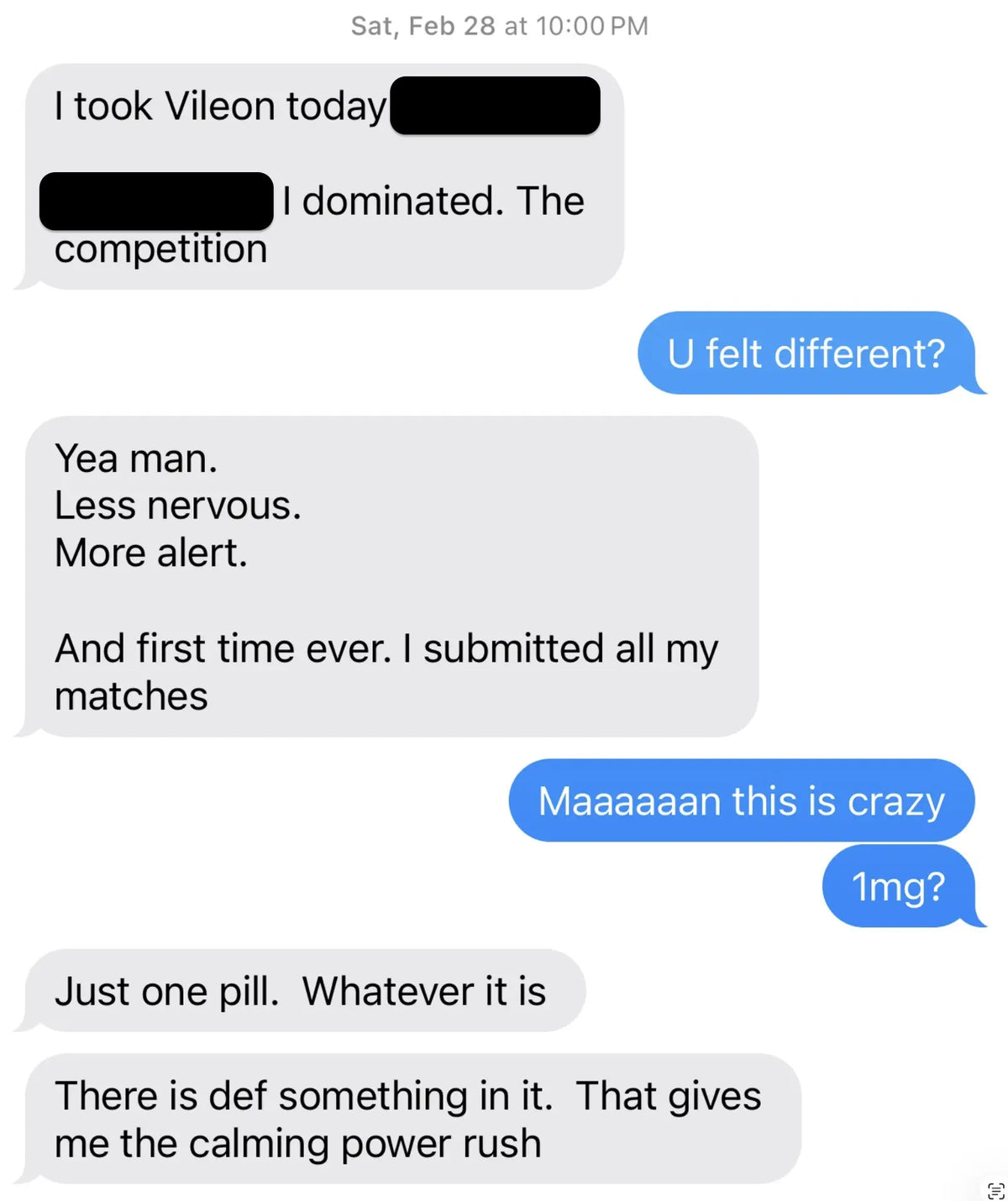
![Text screenshot: 'Vilon pumps are crazy', 'Lololol', 'Man this [censored] is the real pre-workout', 'Vil and Pin'](/assets/product/vilon-test-3.webp)


These screenshots are individual, unverified experiences. They are not clinical evidence that Vilon produces any specific health outcome. Results vary, and the scientific claims on this site remain provisional.
Source figure
FOXN1-dependent thymus organogenesis
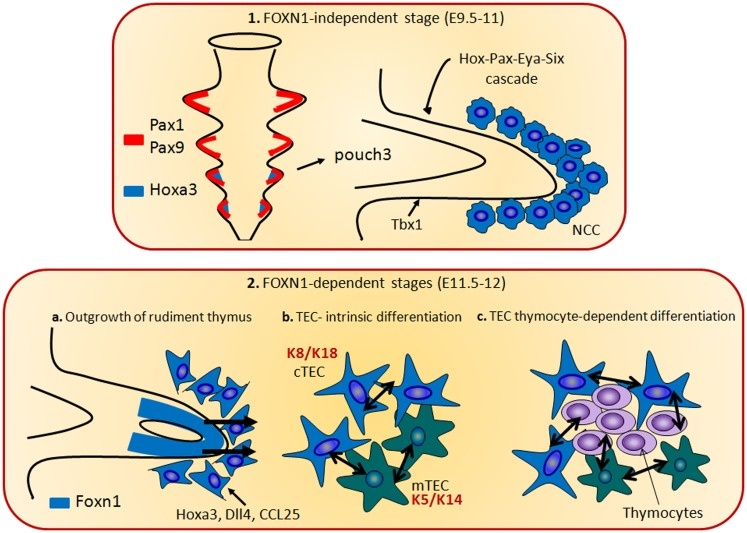
Thymus organogenesis can be divided into a Foxn1-independent phase and a Foxn1-dependent phase that establishes the thymic epithelial program.
What to notice
- •The early Foxn1-independent phase precedes thymic epithelial commitment.
- •The Foxn1-dependent phase builds the thymic epithelial program and T-cell niche.
- •This figure is developmental; it does not show a direct Vilon–FOXN1 assay.
- •Watch the transition from mesenchymal–epithelial signaling to epithelial-autonomous identity.